Konjac – the secret to a slim figure is revealed
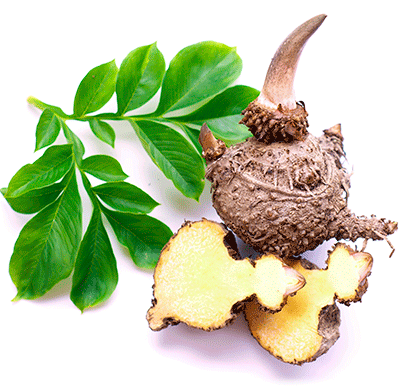
Konjac (Amorphophallus konjac) is an Asian plant whose roots contain glucomannan – a soluble dietary fiber that can absorb liquids up to 50 times its own volume.
This unique ability allows glucomannan to form a gel-like substance in the stomach, creating a long-lasting feeling of fullness and suppressing appetite, which makes it an effective tool for weight management.
The main benefits for maintaining a slim figure include:
-
Low Calorie Content: Konjac products contain only about 7–10 calories per 100 grams and virtually zero carbohydrates.
-
Blood Sugar and Cholesterol Control: Glucomannan slows down the absorption of sugars and fats in the intestines, helping to stabilize glucose levels and LDL cholesterol.
-
Detoxification Effect: The plant binds to heavy metals and harmful substances in the gut, preventing their absorption and aiding in the elimination of toxins.
-
Improved Digestion: Konjac optimizes intestinal peristalsis and helps relieve constipation, thereby maintaining a healthy gut flora.
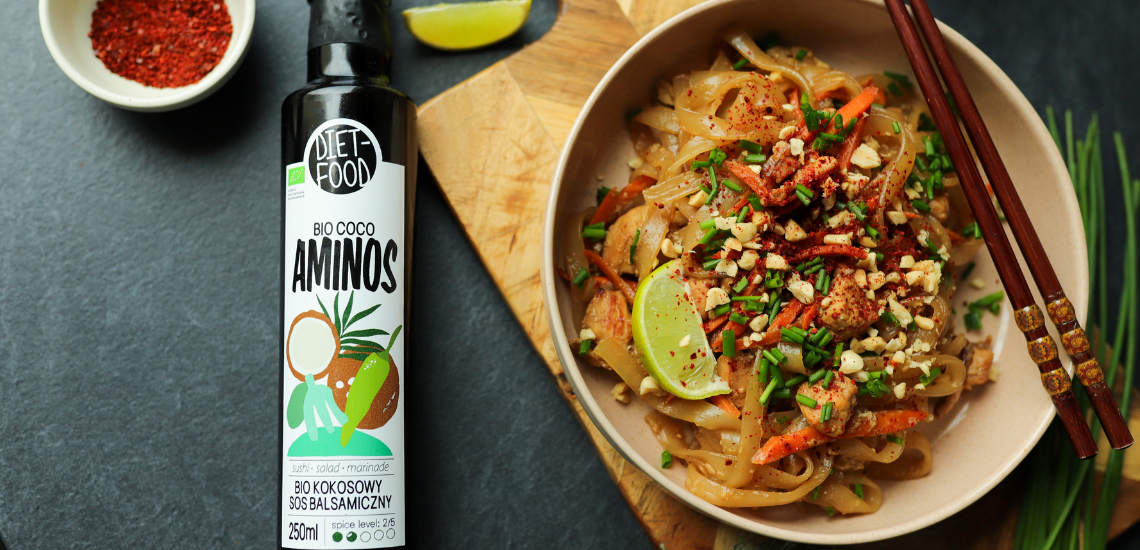
In the culinary world, konjac is frequently used in the form of spaghetti, fettuccine, rice, or noodles, prepared just like your favorite traditional pasta.
Diet-Food Pasta offers numerous advantages:
-
Gluten-free
-
Sugar-free
-
Lactose-free
-
Cholesterol-free
-
Soy-free
-
No artificial flavors
-
No monosodium glutamate (MSG)
-
Low in calories
-
Low in fat
-
High in fiber
-
GMO-free
-
Made entirely from natural ingredients
They are suitable for people following specific dietary regimes, including:
-
Vegan (free from animal products)
-
Vegetarian
-
Lactose-free
-
Keto diet
-
Paleo diet
-
Clean/Healthy eating
-
Diabetics
Diet-Food konjac pasta comes in two varieties: wet (packed in liquid) and dry (dehydrated). It is essential to pay close attention to the differences in both their preparation methods and ingredients.
1. "Wet" Konjac Pasta
-
Appearance: It is packed in pouches filled with water (liquid) to preserve its freshness and specific gel-like texture. It has an extremely low calorie content (only 7–10 calories per 100 grams).
-
Key Preparation Steps (Mandatory):
-
Step 1: Rinsing with cold water. Upon opening, immediately pour the pasta into a colander and rinse it under a strong stream of cold running water for about 1–2 minutes. This is crucial for completely removing the plant's distinct natural odor.
-
Step 2: Dry pan-frying (Without oil). After rinsing, place the pasta into a well-heated pan over medium heat without adding any oil or water. Toss and stir continuously for about 3–5 minutes until all excess moisture from the noodles has evaporated. This step is vital because it transforms their texture from "rubbery" to pleasant and chewable, allowing the pasta to absorb the sauce perfectly.
-
Step 3: Combining with sauce. Since konjac has no flavor of its own, add the pan-fried noodles directly into your pre-made hot sauce and simmer together for another 1–2 minutes to absorb all the aromas.
-
2. "Dry" Konjac Pasta (Dehydrated)
-
Appearance: It looks much more like classic dry Italian pasta or traditional rice.
-
Characteristics: The main advantage is that it has absolutely no odor when you open the package, and its texture is much closer to traditional pasta.
-
Important Difference: To manufacture it in a dry form, producers often add a small amount of starch (such as tapioca flour or rice flour) or other ingredients. Because of this, the dry version typically contains slightly more calories and carbohydrates compared to the wet one, but still significantly less than regular wheat pasta. It is prepared by boiling it traditionally in boiling water for about 5 to 10 minutes.